Getting into the superyacht industry in 2026 is an exciting move, but with more people eyeing the “yacht life,” the entry-level market is competitive. To stand out, you need more than just a passport and a positive attitude – you need the right tactical certifications and a clear game plan.
Here is the step-by-step guide on how to break into yachting this year, focusing on the essential qualifications and industry secrets.
Step 1: The “Must-Have” Tickets
Before you can even step onto a boat, you need the legal minimums. In 2026, recruiters won’t even look at a CV that doesn’t have these two things:
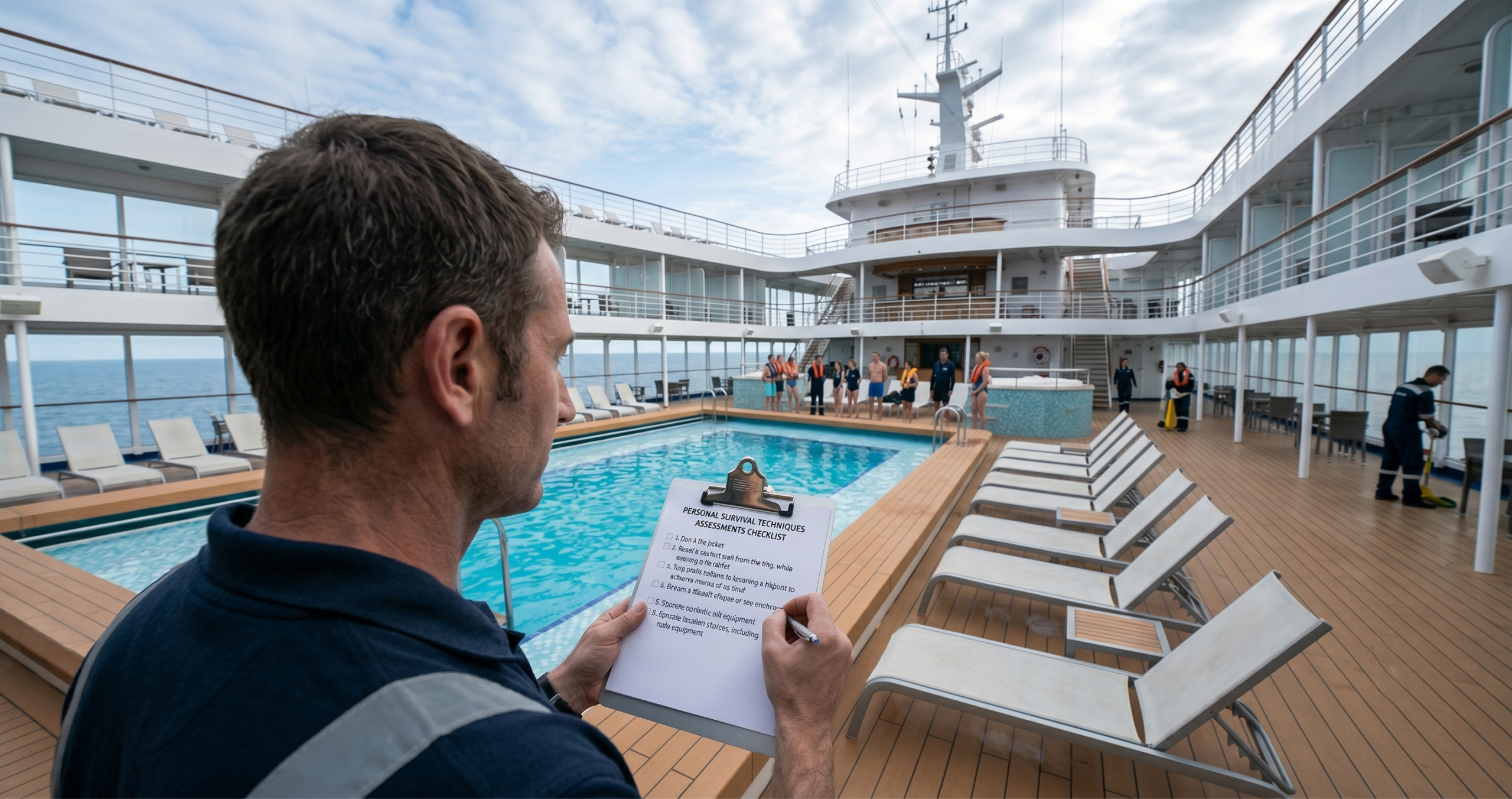
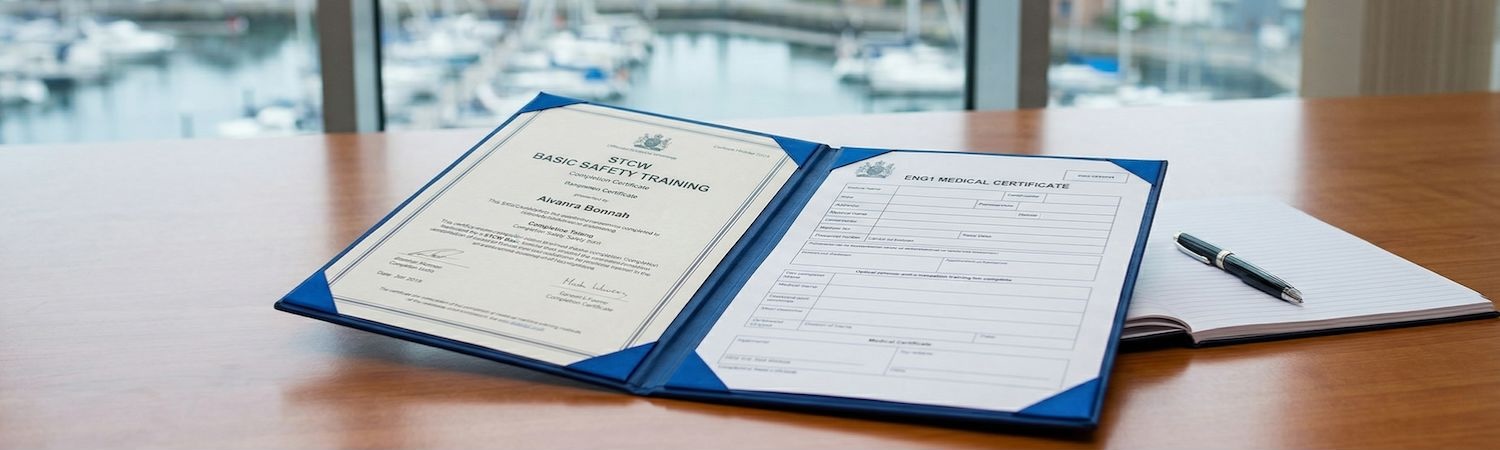
- STCW Basic Safety Training (BST) and Proficiency in Security Awareness: This is the foundation. As an STCW training centre, we see hundreds of “green” crew start here. The course covers Firefighting, First Aid, Sea Survival, and PSSR and we include Security Awareness for no additional charge.
- ENG1 Medical Certificate: A basic medical exam performed by an MCA-approved doctor to prove you are fit to work at sea. While we don’t conduct ENG1 exams at our centre, the MCA provides a regularly updated directory of approved practitioners across the UK to help you book your appointment.

Step 2: The Competitive Edge (The “Deckhand Deluxe” Add-ons)
This is where you set yourself apart and show that you are ready for the demands of roles on board and can step in straight away. If you want to be at the top of a Captain’s pile, these two courses are CV standouts:
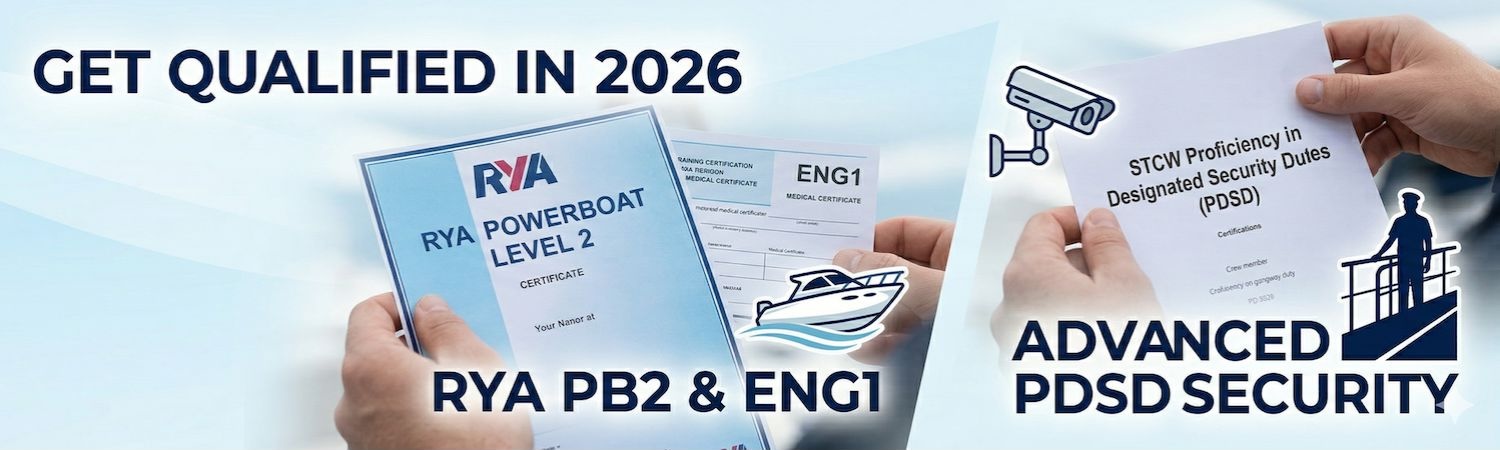
- RYA Powerboat Level 2 (PB2): This qualification proves you have the practical boat-handling skills to manage tenders and small craft safely. It’s one of the most requested add-ons in the industry because it demonstrates you are ready for the responsibility of professional tender operations and perform man-overboard drills.
- STCW Proficiency in Designated Security Duties (PDSD): This is the secret weapon. Most entry-level crew only get the basic PSA. By upgrading to PDSD, you are telling a Captain you are ready to assist with all onboard security duties. It allows you to take on gangway duties, security watches and designated duties that a PSA holder legally cannot do. On yachts over 500GT, this isn’t just a bonus, it’s often the deciding factor in a hire.
Pro Tip: Having your PB2 also allows you to apply for an ICC (International Certificate of Competence), which is a huge bonus in European waters.
Step 3: Timing the 2026 Seasons
Yachting is seasonal. If you show up at the wrong time, you’ll be spending your savings while waiting for a job that isn’t there.
- The Mediterranean Season (May–September): You should be in Antibes, Palma, or Monaco by late March or April to find work.
- The Caribbean/US Season (November–April): Aim to be in Fort Lauderdale or Antigua by October.
Step 4: CV and “Dockwalking”
In 2026, digital recruitment is huge, but “Dockwalking” (physically visiting marinas to ask for day-work) is still the best way to get your foot in the door.
- The 2026 Yacht CV: Keep it to one page. High-quality photo (white polo, smiling, neat hair), your STCW, PDSD and RYA PB2 clearly listed at the top in a qualifications section, and any hospitality experience highlighted.
- Day-work is your interview: Most first jobs start as day-work (cleaning the hull or polishing stainless steel for a day). If you work hard and don’t complain, a day-work gig often turns into a full-time contract.
Common “People Also Ask” (FAQs)
How much can I earn as a junior yacht crew member in 2026?
Entry-level deckhands and stewardesses can expect to earn between £2,100 and £2,900 per month (tax-free in many cases), with all living expenses covered. If you are on a charter yacht, tips can add a significant bonus – sometimes an extra £850+ per week!
Can I get a yacht job with no experience?
Yes! Every Captain was “green” once. However, they look for transferable skills. If you’ve worked in a bar, a high-end hotel, or as a manual labourer, highlight that. Combined with your STCW, PDSD and Powerboat Level 2, these skills make you a safe bet for a hiring manager.
Do I need PSA or PDSD for a yacht job?
In 2026, the answer is almost always PDSD. While PSA is the “entry level,” PDSD allows you to actually perform security duties on board. On any yacht over 500GT, the Ship Security Plan will likely require you to have PDSD. It’s a small investment that makes you “eligible” for 100% of the jobs, rather than just 50%.
Do I need to be a professional sailor to get a yacht job?
Not at all. For entry-level roles, Captains want people who are hardworking, disciplined, and have their STCW safety training. You’ll learn the specific “yacht” way of sailing once you’re on board.
Your Launchpad Starts Here
Getting that first job is about being qualified, available, and enthusiastic. By completing your STCW, PDSD and RYA Powerboat Level 2 with us, you aren’t just getting a certificate, you’re getting the exact tools Captains are looking for in 2026.
See our availability and dates for our STCW Yacht Training Package.